

Nagaragawa cormorant fishing: a 1300-year-old tradition
I look forward to returning to Japan every year. During my stay in Nagoya in 2026, I decided to make a trip to neighbouring Gifu Prefecture after reading that the long-term future of the section of the Nagaragawa Railway between Gujo-Hachiman and Hokuno was under discussion.
Like many rural railway lines across Japan, the Nagaragawa Railway faces an increasingly difficult operating environment. I realised that if I continued telling myself that I would travel on it “someday,” the opportunity might eventually disappear. With that thought in mind, I began planning a journey aboard Nagara, the railway’s sightseeing train, which I had wanted to experience for some time.
Since I was making the journey, I decided to follow the course of the Nagara River as closely as possible.
The trip began with the traditional cormorant fishing in Gifu City. From there, I travelled north on the Nagaragawa Railway to Hokuno Station, the northern terminus of the line, before staying in the mountain village of Itoshiro and later visiting Gujo-Hachiman.
What began as a railway journey became a much more memorable experience than I had expected.
Following the Nagara River Part 1 – 4


What Is Nagaragawa Cormorant Fishing?
Nagaragawa Cormorant Fishing (Ukai) is a traditional fishing method with a history of more than 1,300 years. Using trained cormorants attached to hand-held ropes, skilled fishermen known as usho catch sweetfish (ayu) on the Nagara River after dark.
The tradition continues to this day, and the Imperial Household Agency still receives ayu caught during special Imperial Cormorant Fishing ceremonies, preserving a centuries-old connection with Japan’s Imperial Family.
The highlight of the experience is watching the fishermen and their cormorants at close range from a sightseeing boat as they work together by the light of blazing bonfires reflected on the river.

As my journey following the Nagara River began in Gifu City with this remarkable tradition, this article introduces the best way to enjoy Nagaragawa Cormorant Fishing, including a recommended walking route, nearby attractions worth visiting, and some excellent local restaurants.
Getting to Nagaragawa Cormorant Fishing from Gifu Station
The starting point for visiting Nagaragawa Cormorant Fishing is either JR Gifu Station or Meitetsu Gifu Station, both located in central Gifu City. From either station, take a local bus to Nagarabashi (Nagara Bridge). The journey takes around 20 minutes, and from the bus stop it is just a short walk to the Ukai Sightseeing Boat Office, where sightseeing cruises depart.
From Nagoya
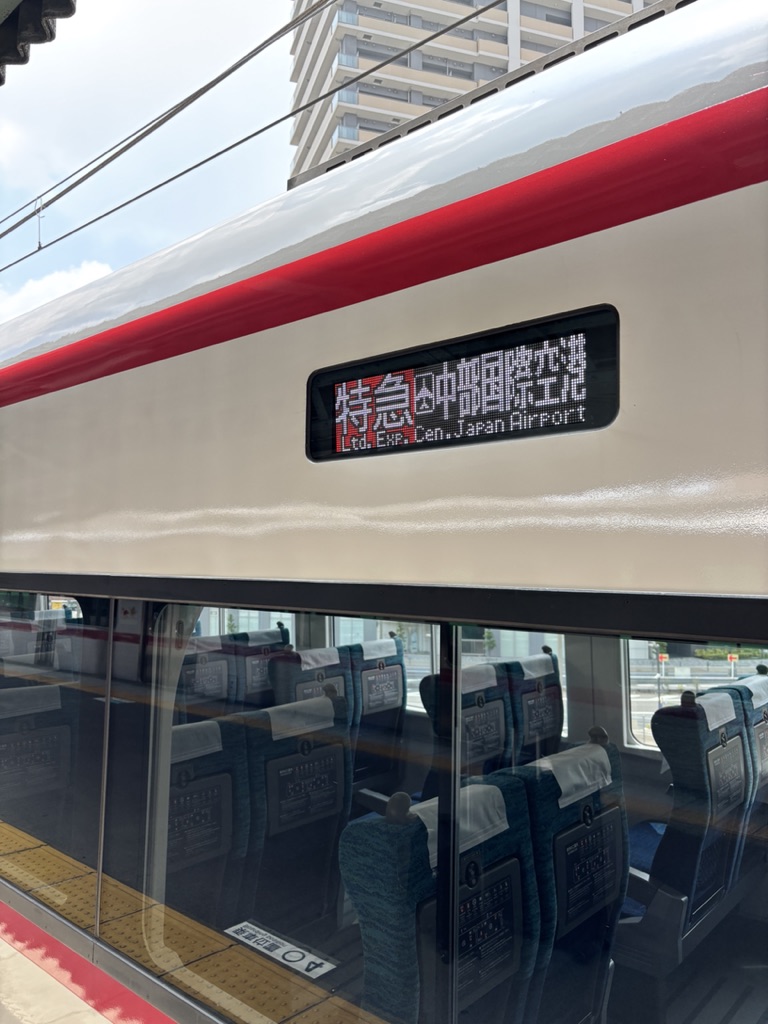
Nagoya is the most convenient base for visiting Gifu. By JR, the journey takes as little as 20 minutes, while Meitetsu Railway reaches Gifu in around 30 minutes by limited express.
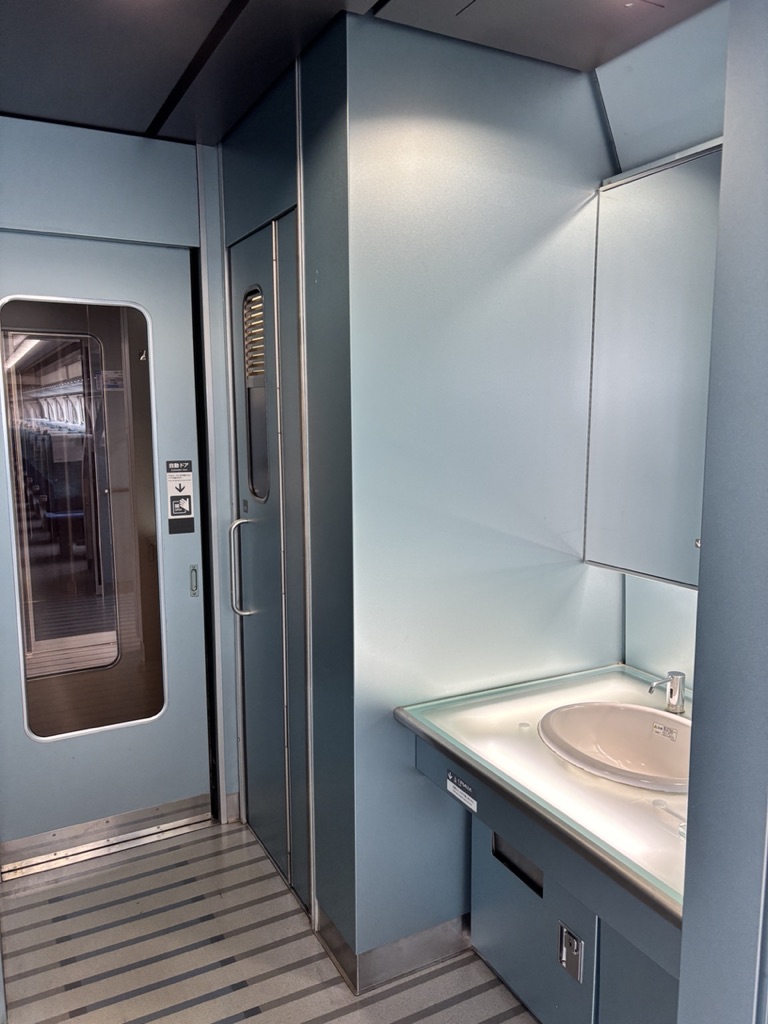
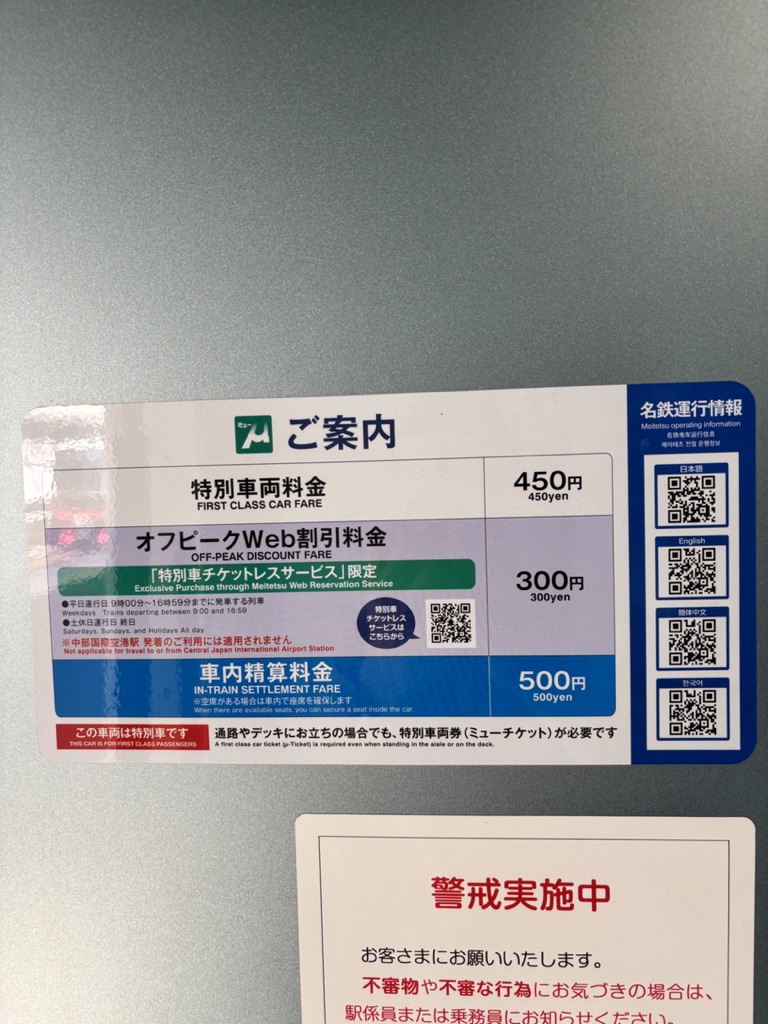
Unlike many limited express services in Japan, Meitetsu’s standard limited express trains do not require a separate express surcharge—a regular ticket is all you need. If you prefer a reserved seat, you can purchase a μ Ticket, which gives access to the reserved-car section with more comfortable seating and onboard toilets.
If you’re planning to stay in Nagoya, I highly recommend Hilton Nagoya. Its newly renovated Executive Lounge is well worth a visit. You can read my full hotel review here.
Direct Limited Express from Osaka and Kyoto
The Hida Limited Express connects Nagoya with Gero, Takayama and Toyama. What many visitors don’t realise is that one train each day (Hida No. 25) starts from Osaka, travels via Kyoto and Gifu, and continues to Takayama without requiring a transfer at Nagoya.
As of summer 2026, it departs Osaka at 7:58 a.m. (8:02 a.m. on weekends and public holidays) and arrives at Gifu at 9:56 a.m. If you don’t mind the early start, this direct service is a convenient option from the Kansai region.
| Hida 25 | Weekdays | Weekends and public holidays |
| 大阪 Osaka | 7:58 | 8:02 |
| 新大阪 Shin-oska | 8:04 | 8:07 |
| 京都 Kyoto | 8:31 | 8:34 |
| 草津 Kusatsu | 8:51 | 8:50 |
| 米原 Maibara | 9:22 | 9:22 |
| 大垣 Ogaki | 9:46 | 9:46 |
| 岐阜 Gifu | 9:56 | 9:56 |
Please check with the railway company for the latest timetables.
DoubleTree by Hilton Kyoto Station is highly recommended as it offers easy access to Kyoto Station.
From Chubu Centrair International Airport
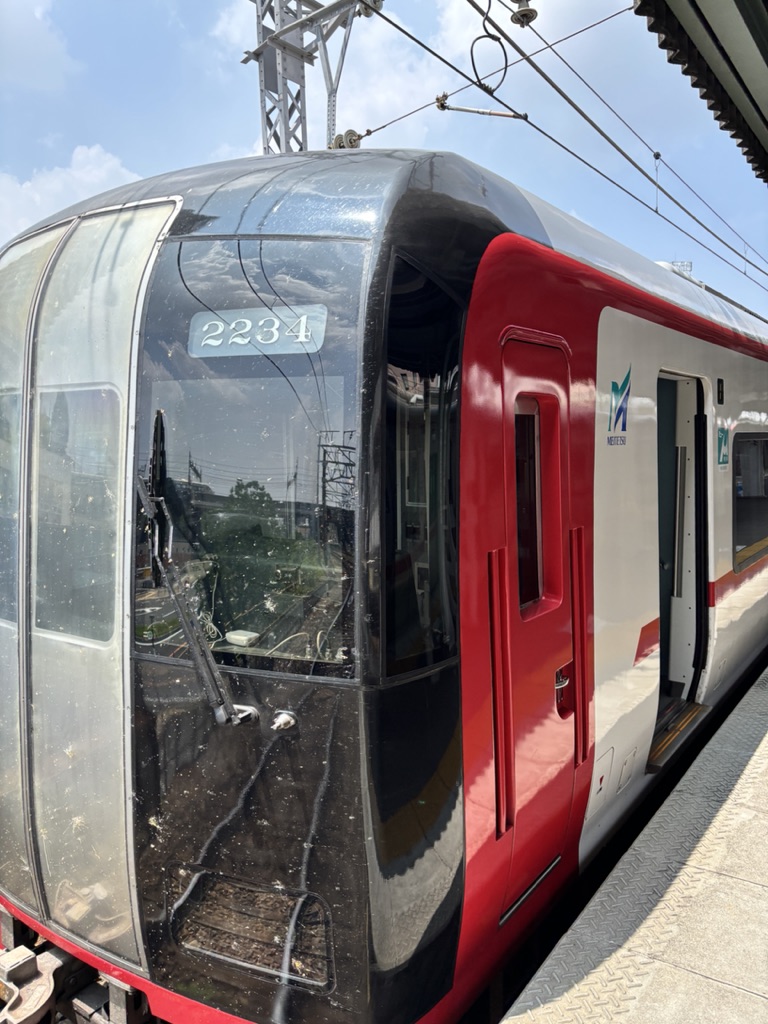
From Chubu Centrair International Airport (NGO), you can travel directly to Meitetsu Gifu Station by Meitetsu Railway. Simply board a limited express train bound for Gifu.
As with other Meitetsu limited express services, no additional express fare is required. However, if you would like a guaranteed reserved seat, purchasing a Mu Ticket is recommended.
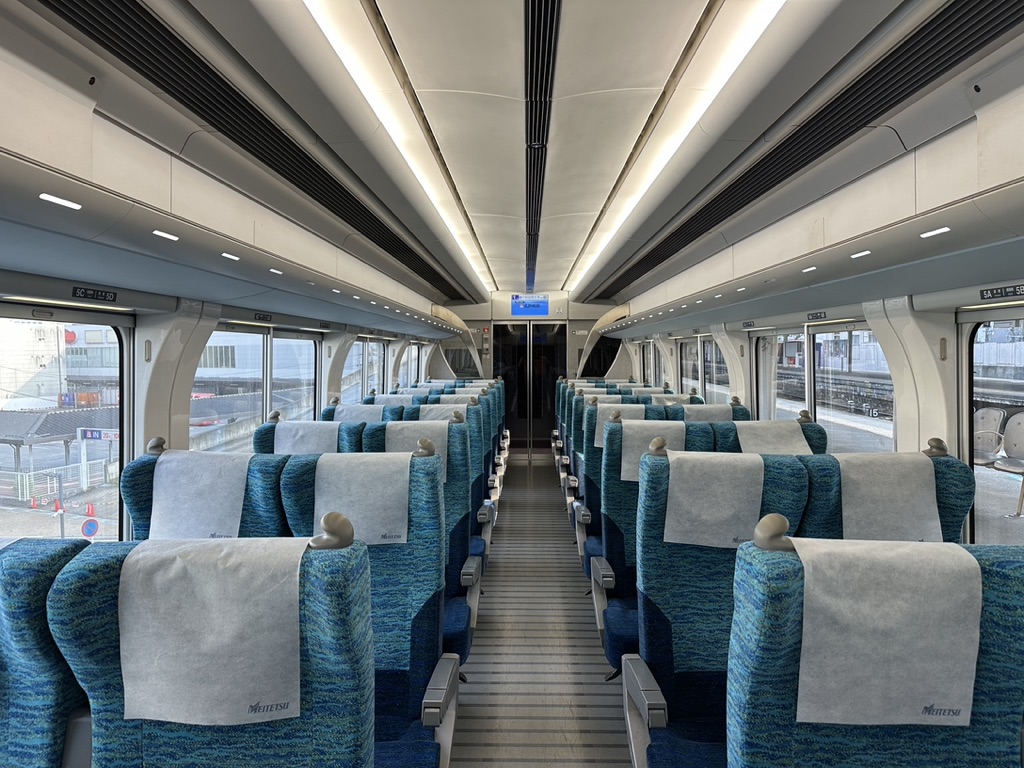
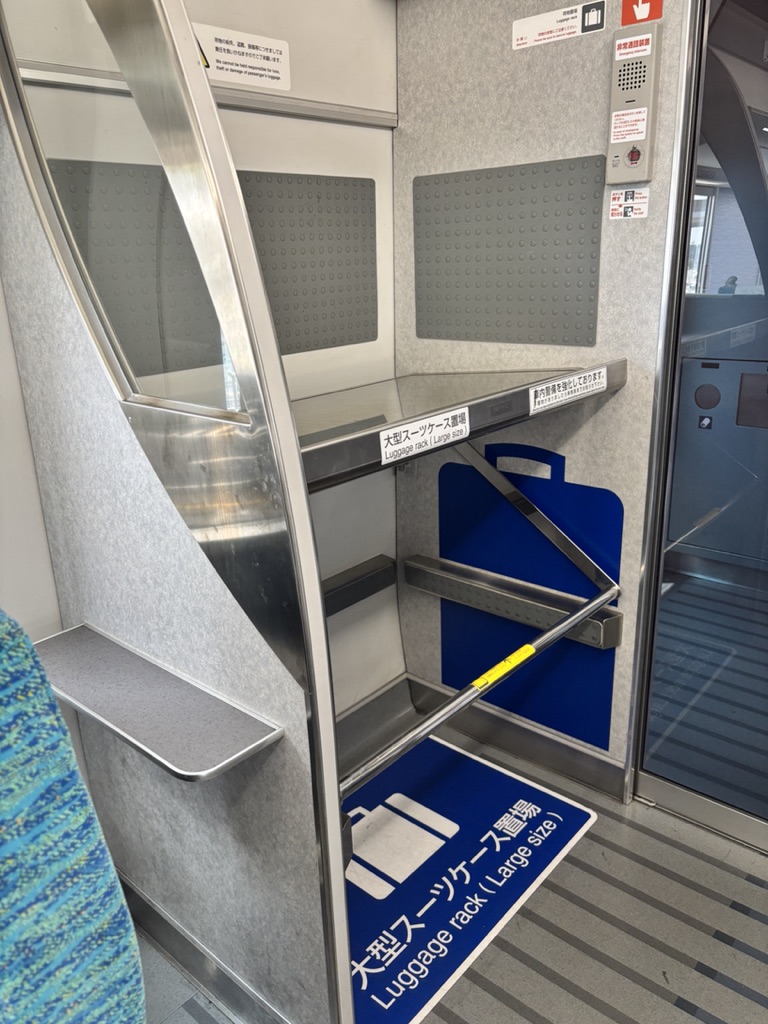
The reserved cars are more comfortable and equipped with toilets, making the approximately 70-minute journey more relaxing, especially after an international flight.
How to Book a Nagaragawa Cormorant Fishing Cruise
Once you’ve decided to experience Nagaragawa Cormorant Fishing, the next step is to reserve a sightseeing boat.
If you’re staying at a hotel or traditional ryokan in the Nagara River area, the accommodation may be able to arrange your booking for you. Otherwise, the easiest option is to book online through the official Nagaragawa Cormorant Fishing website.
Standard fares for shared sightseeing boats are ¥4,200 on regular days and ¥5,100 on peak days for adults. Children’s fares are approximately half the adult price. Fares and operating schedules may change from year to year, so be sure to check the official website for the latest information.
Here is the link to the official website.
The online booking process is straightforward. Here’s how to reserve a shared sightseeing boat:
| Step 1 If you are travelling independently, choose the Shared Cormorant Fishing Viewing Boat. Charter boats are available for private groups, while the Sightseeing Boat category is for daytime cruises and seasonal special tours, not cormorant fishing cruises. |

| Step 2 Select your preferred date first, then choose one of the available departure times from the calendar below. In the example below, there are three departure times available: 18:15, 18:45, and 19:15. |

Although your reservation is completed online, you still need to check in at the Ukai Sightseeing Boat Office before boarding. Be sure to arrive with plenty of time to complete the check-in process before your scheduled departure.
| When I visited in June, I was able to take advantage of the Early Summer Discount Campaign, which reduced the fare to ¥3,500. The 2026 campaign has now ended, but hopefully a similar promotion will be offered again next year. |
Before the Cruise: Visit the Ukai Museum and Stroll Along the Nagara River
With some time to spare before checking in for the cruise, I decided to take a walk along the banks of the Nagara River. Although Gifu Park, Mt. Kinka, and the historic Kawaramachi district are all well worth exploring, I wanted to spend some time by the river before experiencing cormorant fishing.
After getting off the bus at Nagarabashi (Nagara Bridge), I followed the riverside path upstream. The scenery was beautiful: the clear waters of the Nagara River in front of me, with Mt. Kinka rising on the opposite bank and Gifu Castle standing proudly on its summit.


Along the way, I came across the Nagaragawa Ukai Museum, a low-rise museum that blends beautifully into the riverside landscape at the foot of Mt. Kinka. The museum does an excellent job of explaining the history and traditions of Nagaragawa Cormorant Fishing, making it the perfect place to visit before the evening cruise.


| What I Learned at the Museum – Several exhibits left a particularly strong impression on me. During the fishing, the cormorants are still able to swallow smaller fish. The rope tied around their necks is intentionally loose, allowing them to eat while preventing them from swallowing the larger ayu. – Cormorants naturally form lifelong pairs. The birds are therefore kept with the same partner and even live together when resting in their cages. – Even after they retire from fishing, they continue to be cared for by the fishermen. Each pair remains together for the rest of their lives, and they are said to live longer than cormorants in the wild. |
Learning these details completely changed my impression of cormorant fishing. Rather than resembling a circus performance, it is a tradition built on years of trust between the fishermen and their birds. It is easy to see why the ushotake such pride in preserving a practice that has been passed down for more than 1,300 years.


The exhibits are clear, engaging, and available in multiple languages, so I highly recommend visiting the museum before your cruise. Visitors with a cormorant fishing boat reservation are also eligible for discounted admission.
What to Eat Before the Cruise: A Bento Box Is the Best Choice
While looking for a takeaway dinner to enjoy on the sightseeing boat, I came across a lovely café directly opposite the Ukai Museum. When I explained that I had booked the cormorant fishing cruise and was looking for a bento (Japanese boxed meal), the owner kindly offered to prepare one for me. While I was visiting the museum, they freshly made the lunch box, which I collected afterwards.


THE NOMAD LIFE cafe
Nagara45-1, Gifu-city, Gifu 502-0071, Japan
If you book your cormorant fishing experience through a hotel or ryokan, a bento dinner is often included or can be arranged for you. However, if you make your reservation independently—as I did—you’ll need to organise your own meal.
You could simply pick up something from a Japanese convenience store, but this is a special evening on one of Japan’s most historic river cruises. It feels far more fitting to enjoy a freshly prepared bento while watching the traditional fishing unfold on the river.
With my dinner in hand, I crossed Nagara Bridge and made my way to the sightseeing boat pier. The boatmen were already waiting, ready to welcome passengers aboard for the evening’s cormorant fishing experience.


A 1,300-Year-Old Tradition: A Living Performance Shaped by Nature and Human Skill
After boarding the sightseeing boat, the boatman welcomed everyone aboard and gave a brief introduction to the evening’s programme. We then headed a little upstream, where our boat would wait for the cormorant fishing to begin. While waiting, passengers enjoyed dinner on board.


It was finally time to open the bento box I had collected earlier from the café. Everything was freshly prepared, delicately seasoned, and absolutely delicious. I was especially grateful that, despite my last-minute request, they had prepared two meals—including a vegetarian bento—in such a short time.


As we waited for the usho (cormorant fishermen) to arrive, the atmosphere along the river became part of the experience itself. The water was so close that I could almost reach out and touch it. A cool breeze drifted across the surface of the river, carrying with it the fresh scent of the water. Traditional entertainment was performed on board while passengers chatted quietly, and little by little, daylight faded into evening.
Then, as darkness settled over the Nagara River, the boats carrying the usho appeared from upstream.


Our sightseeing boat gently moved into position and began following the fishing boats.
One of the highlights came when I saw a cormorant being gently lifted from the water before releasing the ayu it had caught. Thanks to the remarkable skill of our boatman, who expertly manoeuvred our boat alongside the fishermen without disturbing them, we enjoyed an exceptionally close view of the entire process.


Watching the cormorants, the fishermen, the flames of the bonfires reflected on the river, and the surrounding darkness come together, I realised that this was far more than a fishing demonstration. It was a living tradition—an unforgettable performance created by nature, human skill, and more than thirteen centuries of history.


Why Nagara River Cormorant Fishing Continues to Fascinate Visitors from Around the World
Nagaragawa Cormorant Fishing has been practised for more than 1,300 years. Watching the usho in their traditional attire, it is easy to imagine scenes from Japan’s classical past.
Yet this remarkable tradition is about far more than the fishermen themselves. It depends on a unique combination of elements: a clean, fish-rich river; wild cormorants; generations of inherited skills; and the craftsmanship behind everything from the wooden fishing boats and pine-wood bonfires to the fishermen’s ceremonial clothing. Only when all of these come together can this tradition continue. In that sense, cormorant fishing is not simply a method of catching fish—it is a living cultural art shaped by both nature and people.
Even after stepping ashore, the experience stayed with me.

| おもしろうてやがて悲しき鵜舟哉 芭蕉 “Enchanting, and then what sorrow—cormorant boats” — Matsuo Bashō |
Over the centuries, Nagaragawa Cormorant Fishing has attracted an extraordinary range of visitors. It was admired not only by powerful figures such as the warlord Oda Nobunaga, but also by celebrated writers including Matsuo Bashō, Yasunari Kawabata, and Ryōtarō Shiba. Its appeal has also reached far beyond Japan. Among its distinguished international visitors were Charlie Chaplin, Edward, Prince of Wales (later King Edward VIII of the United Kingdom), and Archduke Franz Ferdinand of Austria in the late nineteenth century. Today, it continues to welcome diplomats and other distinguished guests from around the world.
The tradition also maintains a close connection with Japan’s Imperial Household. During the annual Imperial Cormorant Fishing ceremonies (Goryō Ukai), sweetfish (ayu) caught by the Imperial Household Agency’s official cormorant fishermen are still presented to the Imperial Household, continuing a custom that has endured for centuries.
The wild ayu caught by the cormorants are undoubtedly precious, but I don’t believe that is the true value of Nagaragawa Cormorant Fishing.
Its real significance lies in the relationship it represents—a relationship between people and the river, nurtured and sustained over more than thirteen centuries.
This journey follows the Nagara River from its lower reaches towards its source. In the next article, I’ll continue upstream aboard the Nagara sightseeing train, travelling through Mino, Seki, and Gujo-Hachiman before reaching the railway’s northern terminus at Hokuno. Along the way, I’ll explore how the relationship between people and the Nagara River continues to shape the towns and landscapes of the region today.
Travel Tips: Two Local Gems I Discovered in Gifu
Gifu is blessed with exceptionally pure water, and that quality is reflected in its local cuisine. Here are two places I particularly enjoyed during my visit.
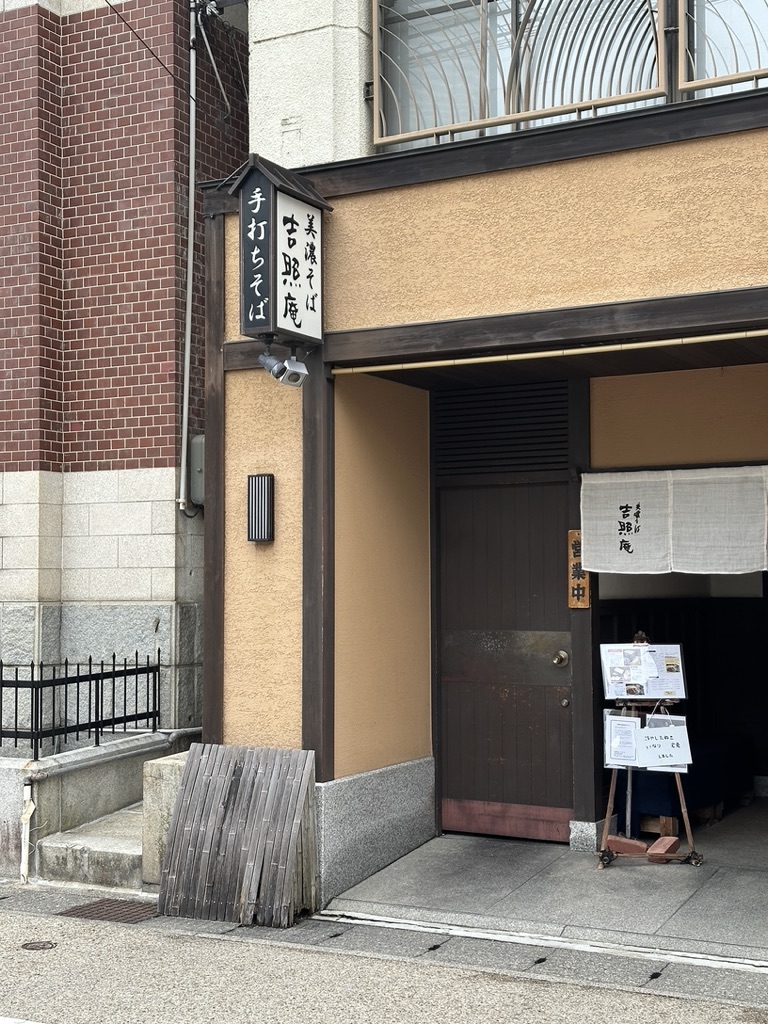
Kisshoan – Handcrafted Soba Made with Spring Water
Komeyacho25, Gifu-city, Gifu 500-8046, Japan
If you’re looking for an authentic Japanese soba experience, I highly recommend Kisshoan. Their handmade 100% buckwheat soba is prepared using underground spring water from the Nagara River, giving the noodles a wonderfully clean flavour and firm texture.
The restaurant is located in the historic streets leading to Inaba Shrine, making it an ideal stop before or after sightseeing in central Gifu.

Tsubameya Yanagase Honten – Home of Gifu’s Famous Warabi Mochi
Kandacho4-13, Gifu-city, Gifu 500-8833, Japan
My second recommendation is Tsubameya, a traditional Japanese confectionery shop best known for its incredibly soft hon-warabi mochi—a delicate jelly-like sweet made from genuine bracken starch and generously coated with roasted soybean flour. Although Tsubameya now has branches in Nagoya and Tokyo, its original flagship store is here in Gifu.
If you enjoy discovering regional Japanese sweets, this is a wonderful place to experience one of Gifu’s signature treats before heading home.
Thank you for reading this far. If you liked this article, please give a ♡ at the bottom left.


